I Scanned 50 "Gluten-Free" Labeled Products With AI — 7 Had Hidden Gluten
This post may contain affiliate links. Please read our disclosure policy.
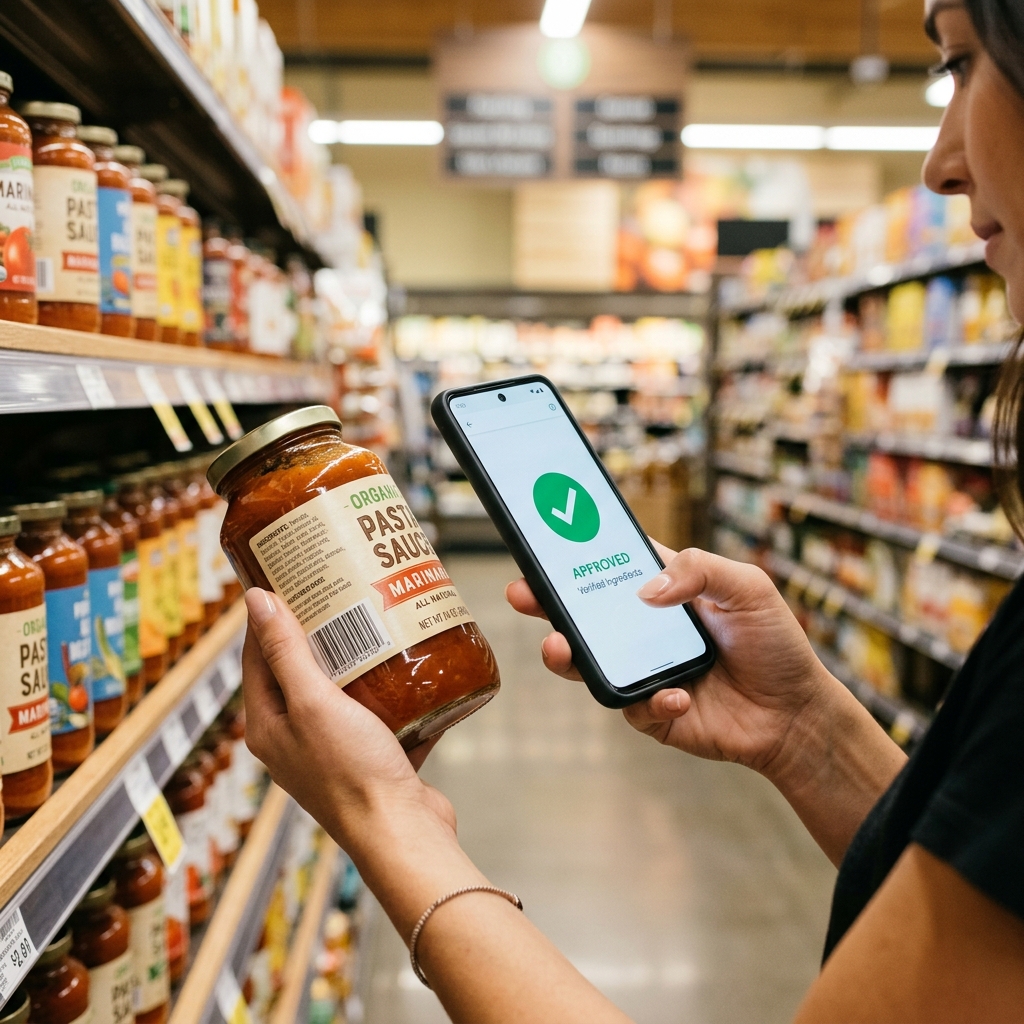
I spent a week scanning every "gluten-free" product in my pantry and fridge with our AI gluten checker. Seven products that I trusted — that I had been eating for MONTHS — contained hidden gluten sources I completely missed. Here's what I found.
Want to save this recipe?
Enter your email and we'll send it to you! Plus, get new recipes every week.
The Experiment That Changed My Grocery List
Last Tuesday, I did something that scared me.
I pulled every single "gluten-free" labeled product out of my pantry and fridge — 50 items total — and ran each one through our AI gluten checker. Not the obvious stuff like bread and pasta where I already use dedicated GF brands. The OTHER stuff. The sauces. The spice blends. The "certified gluten-free" snacks. The condiments I've bought for years without thinking twice.
The results made me sit down.
7 out of 50 products — 14% — had gluten red flags I had never noticed. Not because I'm careless. Because I'm human, and ingredient labels are designed to be confusing.
What I Scanned (And What I Found)
The 7 Products That Failed
Here's what the AI caught that my eyes missed after 6 years of label reading:
1. A "Natural" Soy Sauce — Said "naturally brewed" (sounds healthy!) but wheat was the second ingredient. I had been using it in stir-fries for months. The bottle looked artisanal and premium. Wheat was hidden in plain sight.
2. A Seasoning Blend — The front said "All Natural Spices." The back listed "maltodextrin (wheat)." That parenthetical notation was in tiny 6-point font. The AI scanner flagged it in 2 seconds.
3. Turkey Deli Meat — "Gluten-free" wasn't on the label, but I assumed turkey was safe. The AI flagged "modified food starch" and "caramel color" as potential wheat-derived ingredients. Some brands use wheat-based fillers in processed meats.
4. A Salad Dressing — "Balsamic vinaigrette." The third ingredient was "malt vinegar." Not distilled malt vinegar (which is debated). Plain malt vinegar. From barley. In a salad dressing.
5. Imitation Crab — I was making California rolls. The AI instantly flagged it: "Contains wheat starch." Almost ALL imitation crab contains wheat. I'd been eating it at sushi restaurants thinking it was just fish.
6. A Flavored Coffee Creamer — The hazelnut flavor I use every morning. The AI flagged "natural and artificial flavors" as a potential concern and noted "manufactured in a facility that processes wheat." Not a confirmed hit, but a risk I never knew about.
7. Oat Milk — Not certified GF. The oats were not tested for gluten contamination. Studies show up to 88% of commercial oats contain gluten above 20 ppm.
The 43 Products That Passed
The good news: the vast majority of products I trust ARE genuinely safe. The AI confirmed brands like Bob's Red Mill GF flour, Barilla GF pasta, Enjoy Life chocolate chips, and dozens of others with clean results.
Why This Matters More Than You Think
Here's the math that kept me up that night:
If 14% of the products in a careful celiac's kitchen have hidden gluten risks, and the average person eats food from 15-20 different products per day…
You could be getting micro-glutened multiple times per week without knowing it.
This might explain:
🔍 Still reading labels the hard way?
Check Gluten scans any food label in 3 seconds and tells you exactly what's safe. Trusted by celiacs worldwide.
The 5 Sneakiest Hiding Spots
After scanning 50 products, I've identified the 5 categories where gluten hides most often:
1. Sauces & Condiments
Soy sauce, teriyaki, hoisin, Worcestershire, some mustards, malt vinegar-based dressings. The problem: wheat is used as a filler, thickener, or fermentation agent.
Fix: Use tamari instead of soy sauce. Check every condiment label — or better yet, scan it with AI.
2. Processed Meats
Deli meats, sausages, hot dogs, meatballs. Modified food starch, "natural flavoring," and wheat-based fillers are common in processed meats.
Fix: Buy unprocessed cuts of meat, or brands with certified GF labels like Applegate.
3. Spice Blends & Seasonings
Single-ingredient spices (pure cinnamon, pure cumin) are fine. But blends often contain maltodextrin from wheat, wheat flour as an anti-caking agent, or barley malt flavoring.
Fix: Buy single-ingredient spices and make your own blends, or use verified GF spice brands.
4. Dairy Products
Most plain cheese, butter, and yogurt are safe. But flavored yogurt with cookie mix-ins, processed cheese with wheat starch, and some creamers can contain gluten.
Fix: Stick to plain varieties and check flavored products.
5. "Gluten-Free" Oat Products
Unless oats are certified gluten-free and tested below 20 ppm, they are likely contaminated. This includes oatmeal, oat milk, oat flour, and granola.
Fix: Only buy certified GF oat products from brands like Bob's Red Mill GF Oats or GF Harvest.
How to Scan Your Own Pantry
You don't need to spend a week doing this. Here's the fast method:
The free version gives you 2 scans per day, which is enough to audit your kitchen over a week. Premium gives unlimited scans for a full audit in one session.
The Emotional Side Nobody Talks About
Finding hidden gluten in products you trusted feels like a betrayal. I sat at my kitchen table looking at that soy sauce I'd been using for months and felt genuinely angry.
Not at the manufacturer (though labeling should be better). At myself. For getting complacent. For assuming.
But here's what I've learned after 6 years with celiac:
You are NOT failing at being celiac. The food system is failing at protecting you.
That's exactly why tools like AI label scanning exist. Not because you're not careful enough. Because the labels are too confusing for any human to catch everything, every time, while also grocery shopping, parenting, working, and trying to have a life.
📩 Want more tips like this?
Join celiacs getting weekly gluten-free tips, recipes, and hidden gluten alerts.
No spam. Unsubscribe anytime.
The Changes I Made
After the scan, I replaced 5 of the 7 products:
The imitation crab was the biggest lifestyle change — no more California rolls unless the restaurant uses real crab.
Your Turn
Here's my challenge to you: scan 5 products from your kitchen today.
Start with the ones you've never questioned. The sauces. The spice blends. The deli meats. The condiments.
👉 Try the free AI gluten scanner here — no account needed, works in 3 seconds.
You might be surprised. I certainly was.
Frequently Asked Questions
How accurate is AI label scanning?
Our AI detects 500+ gluten-containing ingredients and cross-contamination indicators with 95%+ accuracy. It catches subtle sources like "hydrolyzed wheat protein," "malt extract," and "modified food starch (wheat)" that human eyes often skip, especially in tiny print.
Does "manufactured in a facility that processes wheat" mean it has gluten?
Not necessarily. It's a precautionary statement, not a confirmed presence. However, cross-contamination is a real risk. People with celiac disease should evaluate based on their sensitivity level. Scan the full label for a complete risk assessment.
I've been eating a product for years with no symptoms. Should I still check?
YES. Celiac damage can be occurring without noticeable symptoms (called "silent celiac"). Ongoing low-level gluten exposure can prevent intestinal healing even without digestive symptoms. A quick scan confirms what's safe.
How many scans do I get for free?
You get 2 free scans per day with no account needed. Premium gives you unlimited scans — perfect for a full pantry audit.
What should I do if I find hidden gluten in a product I've been eating?
Don't panic. Replace the product, note it in your food diary, and mention it to your gastroenterologist at your next visit. One exposure doesn't undo years of healing. Focus forward.
🔍 Not sure about a product?
Check any food label instantly with our free AI gluten scanner — detects 500+ hidden gluten sources in 3 seconds.
Find Gluten-Free Food Safety on Amazon
Shop certified gluten-free options
Top Gluten-Free Picks
📢 Found this helpful? Share it!
Stop Guessing. Start Scanning.
Every ingredient label has hidden gluten risks. Check Gluten's AI catches them all — in 3 seconds flat.
Camera + text input
Priority support
No credit card required • Cancel anytime
The Ultimate Celiac Survival Bundle
Stop stressing over cross-contamination and what to make for dinner. Get our complete 500+ recipe cookbook, dining out guide, and label reading cheat sheets.
200+ GF Baking Recipes
& Fast Food Protocols
Instant PDF Download • 60-Day Money Back Guarantee
About the Author
Sarah Mitchell
Lead Content Writer & Nutritionist, B.S. Nutrition Science
Sarah was diagnosed with celiac disease in 2018 and writes evidence-based guides combining clinical nutrition knowledge with 6+ years of personal gluten-free living experience. All health content is medically reviewed by our advisory team.
Meet our full team →Medical Disclaimer: This article is for informational purposes only and is not a substitute for professional medical advice. Always consult your physician or a registered dietitian before making dietary changes related to celiac disease or gluten sensitivity. Read full disclaimer.
Related Articles
The Celiac College Survival Guide: Dining Halls, Dorm Life & Social Eating
How to navigate dining halls, dorm kitchens, late-night pizza runs, and social eating as a celiac college student. From meal plans to microwave hacks — everything you need.
Is Your Medication Gluten-Free? Hidden Gluten in Pills, Vitamins & Supplements
Wheat starch, barley malt, and modified food starch are used as fillers in hundreds of medications. Here is how to check if your pills are safe for celiac disease.
25 Things Only Someone with Celiac Disease Will Understand
The bread aisle grief, the restaurant anxiety, the "but you look fine" comments. If you know, you know. This is the most relatable list on the internet for celiacs.
Celiac Disease and Dating: The Honest Guide Nobody Writes
How to tell someone you have celiac on a first date, handle the "it is just a little gluten" comments, navigate shared kitchens, and build a relationship where your partner actually gets it.