Gluten-Free Baby & Toddler Food: The Complete Guide for Celiac Parents (2026)
This post may contain affiliate links. Please read our disclosure policy.
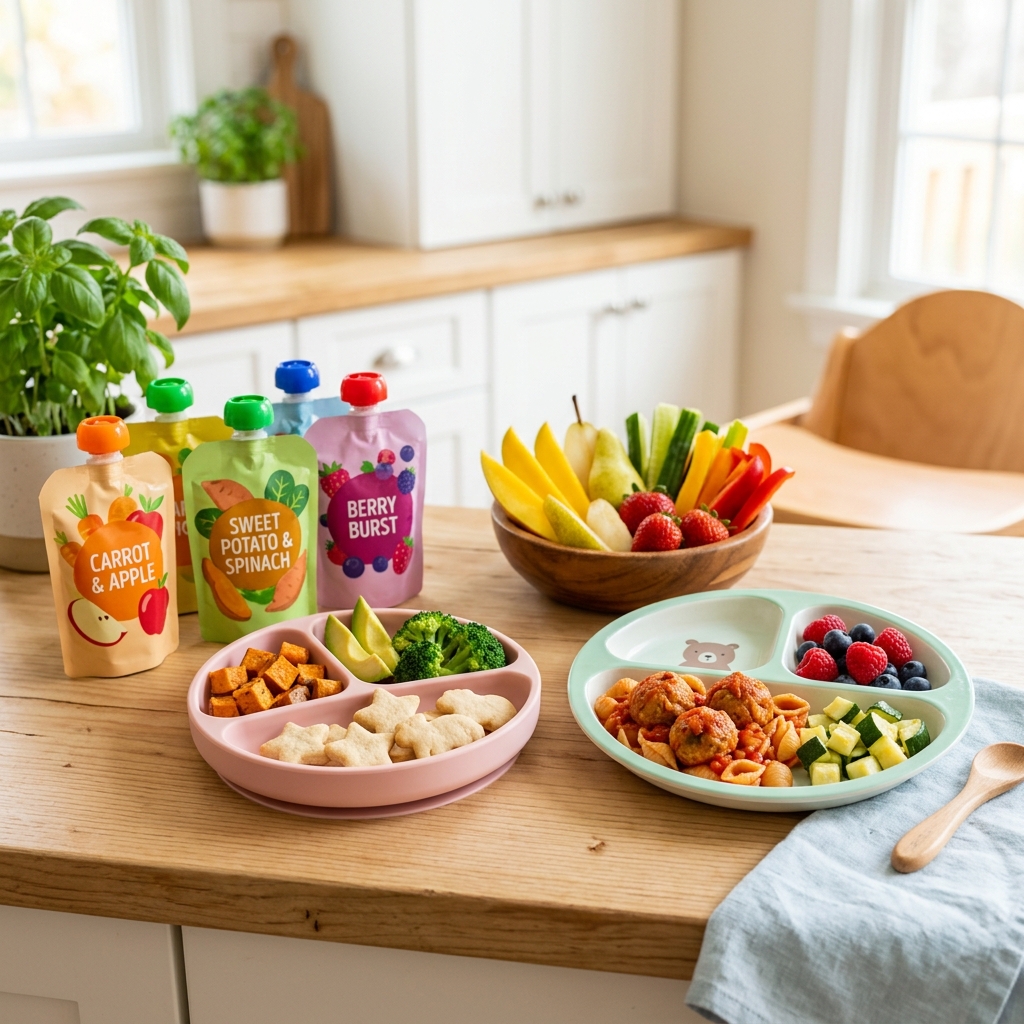
When my baby was 6 months old and ready for solids, I panicked. Every baby cereal, puff, and teething biscuit in the store contained wheat. Here's the feeding guide I built — from first foods to toddler meals — to keep your little one safe.
Want to save this recipe?
Enter your email and we'll send it to you! Plus, get new recipes every week.
The Baby Aisle Panic Attack
My daughter was 6 months old. Time for solid foods. I stood in the baby food aisle at Target, and my celiac anxiety exploded.
Gerber rice cereal? "May contain wheat." Puffs? Wheat flour. Those cute little teething biscuits? Wheat. The pouches — checked 15 of them — most were fine, but three had hidden barley.
I spent 90 minutes in that aisle, reading every label on every product, sweating like I was defusing a bomb. The woman next to me casually tossed Cheerios in her cart and I wanted to cry.
Here's the thing nobody tells celiac parents: feeding your baby is terrifying when you know what gluten does to your body. Especially when you know there's a 1 in 10 chance your baby inherited your celiac genes.
I built this guide over two years of feeding my celiac baby. From first foods to toddler meals, daycare management to birthday parties. Everything I wish a pediatric GI had handed me at that first appointment.
Should You Feed Your Baby Gluten-Free?
This is the #1 question celiac parents ask — and the answer is nuanced.
If Your Baby Has Confirmed Celiac Disease
Obviously, 100% gluten-free. Work with a pediatric gastroenterologist and registered dietitian.
If Your Baby Hasn't Been Tested Yet (But You Have Celiac)
Current medical guidance (ESPGHAN, 2020): Introduce gluten between 4-12 months, in small amounts. Avoiding gluten does NOT prevent celiac — it only delays onset. Your child's genes determine whether they'll develop celiac, not when they're introduced to gluten.
However: You have every right to keep your home GF and introduce gluten only during testing or at a doctor's recommendation. Many celiac parents do this.
When to Test Your Child
The Celiac Disease Foundation recommends:
Stage 1: First Foods (4-6 Months) — All Naturally GF
Great news: most first foods are naturally gluten-free anyway!
Best First Foods (All GF)
Baby Cereal Guide
🔍 Still reading labels the hard way?
Check Gluten scans any food label in 3 seconds and tells you exactly what's safe. Trusted by celiacs worldwide.
Stage 2: Expanding Foods (6-9 Months)
Proteins
Grains
Finger Foods (Starting Around 8 Months)
GF Baby Puffs & Snacks
🏆 Happy Baby Organic Puffs — Certified GF. Multiple flavors. Dissolve easily.
⭐ Gerber Organic Lil' Crunchies — GF options available (check label — not all flavors)
✅ Serenity Kids Grain Free Puffs — Grain-free, allergy-friendly
⚠️ Regular Cheerios — NOT certified GF despite being labeled "gluten free." Many celiac parents avoid them due to inconsistent testing results. Use Three Wishes cereal instead.
Stage 3: Toddler Meals (12+ Months)
GF Toddler Meal Ideas
Breakfast:
Lunch:
Dinner:
Snacks:
Daycare & School Management
The Daycare Packet
Create a one-page sheet for caregivers that includes:
Pack Everything
Don't rely on the daycare/school to provide safe food. Pack:
The Birthday Party Problem
Keep a stash of GF cupcakes in the school freezer. When there's a birthday party, the teacher can pull one out so your child has a treat too. Simple Mills Cupcake Mix makes great batch-and-freeze cupcakes.
📩 Want more tips like this?
Join celiacs getting weekly gluten-free tips, recipes, and hidden gluten alerts.
No spam. Unsubscribe anytime.
Frequently Asked Questions
When should I introduce gluten to my baby if I have celiac?
Current guidelines recommend introducing gluten between 4-12 months, regardless of celiac risk. Delaying introduction does NOT prevent celiac. However, work with your pediatric GI on timing, especially if you plan to test your child early.
Are Cheerios safe for celiac babies?
This is controversial. Cheerios are labeled "gluten-free" but are NOT made with certified GF oats. They use a mechanical sorting process that some studies have shown is inconsistent. Many celiac dietitians recommend avoiding Cheerios and using certified GF alternatives instead.
My toddler was just diagnosed. How do I explain celiac to them?
Keep it simple: "Your tummy doesn't like a thing called gluten. It's in some foods like bread and cookies. We eat special bread and cookies that are safe for your tummy. Your food is just as yummy — it just has different ingredients!" Books: "Eating Gluten-Free with Emily" is a great children's celiac book.
Should I make my whole house gluten-free?
If your child has celiac, most experts recommend going fully GF at home. Children touch everything, share food, and can't self-advocate. A GF home eliminates cross-contamination risk entirely. It's the safest approach.
How do I handle family members who don't take my child's celiac seriously?
This is infuriating and common. Read our guide on handling family who don't understand celiac. The short version: "This is a serious medical condition, not a food preference. Even a crumb can damage her intestines. If you can't guarantee the food is safe, please don't feed my child."
🔍 Not sure about a product?
Check any food label instantly with our free AI gluten scanner — detects 500+ hidden gluten sources in 3 seconds.
Find Gluten-Free Guides on Amazon
Shop certified gluten-free options
Top Gluten-Free Picks
📢 Found this helpful? Share it!
Stop Guessing. Start Scanning.
Every ingredient label has hidden gluten risks. Check Gluten's AI catches them all — in 3 seconds flat.
Camera + text input
Priority support
No credit card required • Cancel anytime
The Ultimate Celiac Survival Bundle
Stop stressing over cross-contamination and what to make for dinner. Get our complete 500+ recipe cookbook, dining out guide, and label reading cheat sheets.
200+ GF Baking Recipes
& Fast Food Protocols
Instant PDF Download • 60-Day Money Back Guarantee
About the Author
Sarah Mitchell
Lead Content Writer & Nutritionist, B.S. Nutrition Science
Sarah was diagnosed with celiac disease in 2018 and writes evidence-based guides combining clinical nutrition knowledge with 6+ years of personal gluten-free living experience. All health content is medically reviewed by our advisory team.
Meet our full team →Medical Disclaimer: This article is for informational purposes only and is not a substitute for professional medical advice. Always consult your physician or a registered dietitian before making dietary changes related to celiac disease or gluten sensitivity. Read full disclaimer.
Related Articles
Store-Bought vs Homemade GF: The Real Cost Comparison That Will Change How You Eat
We priced out 10 common gluten-free products: store-bought vs homemade. The results will make you never buy $8 GF bread again.
The Best Gluten-Free Flour Blends Compared (2026 Guide)
Stop wasting money on crumbly bakes. We tested the top 12 gluten-free flour blends to find which ones actually swap 1-to-1 with regular flour.
The Celiac College Survival Guide: Dining Halls, Dorm Life & Social Eating
How to navigate dining halls, dorm kitchens, late-night pizza runs, and social eating as a celiac college student. From meal plans to microwave hacks — everything you need.
Gluten-Free Beer & Cocktails: The Complete Alcohol Guide for Celiacs (2026)
My first "safe" night out after diagnosis ended with me violently sick from a "gluten-removed" beer the bartender swore was fine. Two years later, I've mapped every safe beer, cocktail, spirit, and mixer — so you never have that night.